
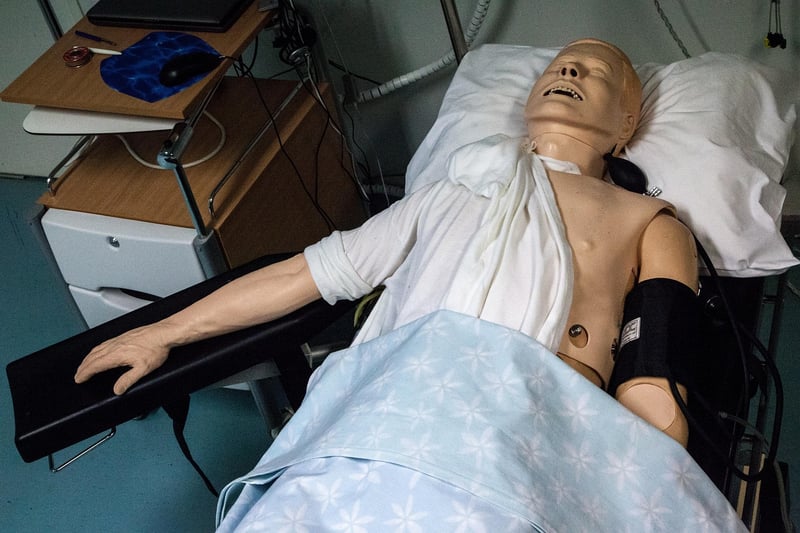
Exploring the Intersection of Replicated Spaces and Medical Simulations
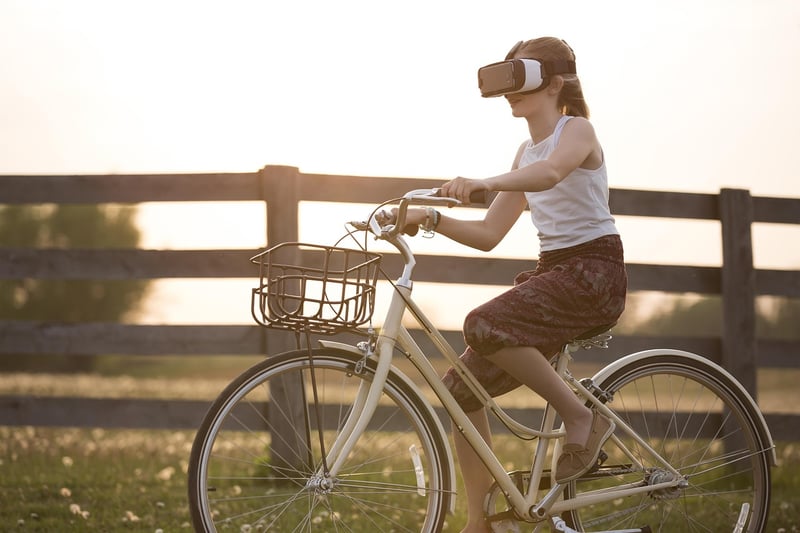
In recent years, the convergence of replicated spaces and medical simulations has revolutionized the way healthcare professionals are trained and patients are treated. This innovative approach combines the immersive experience of replicated environments with the precision of medical simulations to enhance learning, improve skills, and ultimately save lives.
The Power of Replicated Spaces
Replicated spaces, such as virtual reality (VR) environments, allow users to enter realistic simulations that closely mimic real-world scenarios. In the medical field, this technology enables practitioners to practice complex procedures in a risk-free setting, refine their techniques, and familiarize themselves with new equipment.
Advancements in Medical Simulations
Medical simulations have long been used to train healthcare professionals by replicating medical procedures and patient interactions. With technological advancements, these simulations have become more sophisticated, offering realistic scenarios that challenge users to think critically, make rapid decisions, and improve their overall performance.
The Synergy of Replicated Spaces and Medical Simulations
By integrating replicated spaces with medical simulations, practitioners can immerse themselves in lifelike environments where they can apply their knowledge and skills in a controlled yet dynamic setting. This synergy allows for hands-on learning, immediate feedback, and continuous improvement.
Benefits for Healthcare Professionals and Patients
- Enhanced training opportunities for healthcare professionals
- Improved skill acquisition and retention
- Increased confidence in performing complex procedures
- Enhanced patient safety through better-trained practitioners
- Reduced medical errors and improved outcomes
Looking Ahead
The future of replicated spaces and medical simulations holds great potential for transforming healthcare education and practice. As technology continues to evolve, we can expect even more realistic simulations, personalized learning experiences, and widespread adoption of these innovative tools across the healthcare industry.
Embracing the intersection of replicated spaces and medical simulations is not just a leap forward in training and treatment; it is a giant leap towards a safer, more efficient, and ultimately more effective healthcare system.
References: Medical Simulation and Replicated Spaces